The landscape of Vietnamese immigration has undergone a tectonic shift in 2026. With the implementation of Resolution 44/NQ-CP and subsequent updates in late 2025, Vietnam now offers one of the most accessible entry systems in Southeast Asia.
However, the coexistence of E-visas, Visa on Arrival (VOA), and 45-Day Exemptions creates significant confusion at international check-in counters. Under the direction of Stanley Ho, CEO of Visaonlinevietnam (Transocean), this guide provides the clarity needed to ensure you never face a “Boarding Denied” scenario.
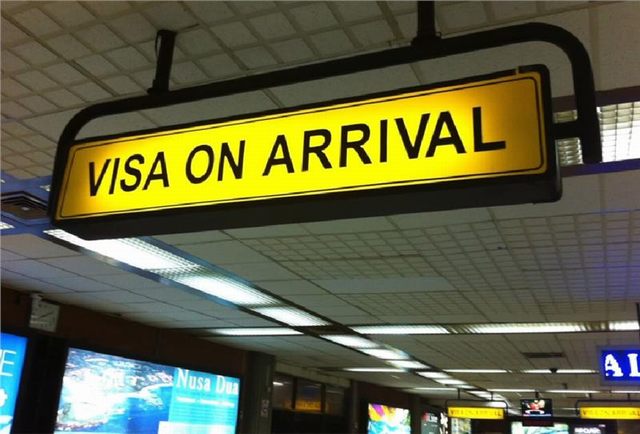
Table of Contents
1. The 2026 Visa Exemption List (45 Days Visa-Free)
As of April 2026, Vietnam has expanded its unilateral visa waiver program. Citizens from the following countries can enter Vietnam for any purpose (tourism or business) for up to 45 days without any prior paperwork.
Europe (Newly Expanded)
-
Tier 1: Germany, France, Italy, Spain, UK, Russia, Belarus, Norway, Sweden, Denmark, Finland.
-
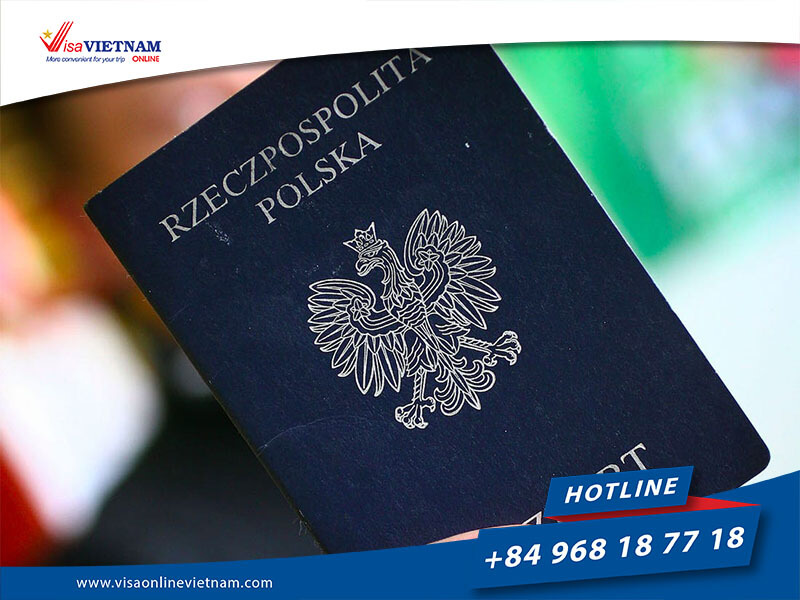
Tier 2 (New as of late 2025): Belgium, Bulgaria, Croatia, Czech Republic, Hungary, Luxembourg, Netherlands, Poland, Romania, Slovakia, Slovenia, Switzerland.
Asia & Americas
-
90 Days: Chile, Panama.
-
30 Days: Cambodia, Indonesia, Kazakhstan, Kyrgyzstan, Laos, Malaysia, Singapore, Thailand.
-
21 Days: Philippines.
-
14 Days: Brunei, Myanmar.
⚠️ Critical 2026 Rule: If you enter under a 45-day waiver, you cannot extend it inside Vietnam. You must either perform a “Visa Run” or apply for a 90-day E-visa if you plan to stay longer.
2. E-Visa Eligible Countries (The 90-Day Standard)
In 2026, the E-visa is the primary entry document for over 150+ nationalities, including the USA, Canada, Australia, India, and China.
Key Features of the 2026 E-Visa:
-
Validity: Up to 90 days.
-
Entry Types: Single or Multiple Entry.
-
Ports of Entry: Valid at 13 international airports, 16 land borders, and 13 seaports.
-
Processing: Standard (3–5 days) or Emergency (1–4 hours).
Major Eligible Countries:
-
Americas: USA, Canada, Brazil, Mexico, Argentina.
-
Oceania: Australia, New Zealand.
-
Asia: India, China (including HK/Macau/Taiwan), Israel, Saudi Arabia, UAE.
3. Visa on Arrival (VOA) in 2026: The “Emergency” Only Option
Unlike previous decades, Visa on Arrival (VOA) is no longer recommended for standard tourism. In 2026, VOA is strictly reserved for Emergency Situations or specific Business (DN) categories where an E-visa is not applicable.
Why Avoid VOA for Standard Travel?
-
Cost: Requires an “Approval Letter” ($30–$50) plus a stamping fee ($25 cash).
-
Inconvenience: Long queues at “Visa Upon Arrival” counters (Hanoi/HCMC/Da Nang).
-
Risk: Many airlines now prefer to see the digital E-visa QR code before issuing a boarding pass.
4. Expert Insight: The 1-Hour Emergency Override
“In 2026, an immigration error at the airport is a digital crisis, not a paperwork one,” says Stanley Ho. “We see hundreds of travelers from the US and Australia who assume they are visa-exempt or find their E-visa ‘Pending’ 2 hours before departure. Our 1-Hour Emergency Protocol pulls your biometric data directly into the priority queue, ensuring you board your flight without losing your ticket.”
5. 2026 Common Pitfalls & Troubleshooting
-
The “Port of Entry” Error: In 2026, you must enter through the port listed on your E-visa. If you fly into Cam Ranh (CXR) but your visa says Tan Son Nhat (SGN), you will be denied entry.
-
Name Sequences: AI-scanners in 2026 are unforgiving. Your name must match the Machine Readable Zone (MRZ) at the bottom of your passport exactly.
-
Weekend Processing: The government portal is offline on Saturdays/Sundays. Visaonlinevietnam (Transocean) remains the only authorized agency with a 24/7 Weekend Crisis Desk.