Planning a trip to Vietnam in 2026? If you’re an Indian traveler, navigating the visa process might seem daunting at first glance. Fortunately, Vietnam’s e-visa system streamlines travel for Indian passport holders, making your journey smoother and more convenient. In this comprehensive guide, we delve into everything you need to know about the Vietnam E-visa for Indians 2026—covering application processes, usage tips, comparisons, and expert advice to ensure you make the most of your travel.
Vietnam E-visa for Indians 2026 marks a significant step in strengthening India-Vietnam travel relations. With Vietnam’s digital visa system, Indian tourists now experience faster entry, hassle-free documentation, and increased flexibility. Whether you’re planning a short leisure trip, business visit, or cultural exploration, understanding how to effectively utilize this e-visa is crucial to a stress-free journey.
Table of Contents
The Evolution of Vietnam E-visa System – A Boon for Indian Tourists in 2026

Over the past few years, Vietnam has worked diligently to modernize its immigration policies, especially for Indian travelers, recognizing their growing interest in Vietnam’s scenic landscapes, cultural richness, and economic opportunities. The Vietnam E-visa for Indians 2026 is a testament to this proactive approach. This section explores how this system has evolved, the reasons behind its development, and the advantages it offers to Indian tourists.
The transition from traditional visa methods to an online, paperless process reflects Vietnam’s commitment to enhancing tourism infrastructure. It aligns with global trends where countries seek to facilitate travel through digital innovations. For Indians, this means less paperwork, quicker approvals, and the ability to prepare travel plans with confidence.
Initially, Vietnam’s visa process involved long waiting times, complicated paperwork, and visits to embassies or consulates, often leading to delays and fatigue. Recognizing the crux of these issues, Vietnam introduced the e-visa system, notably benefitting Indian nationals who wish to experience Vietnam’s diverse offerings swiftly. By 2026, various amendments and improvements further codified this system, ensuring a more seamless experience.
The influence of the Vietnam E-visa for Indians 2026 extends beyond convenience; it serves as an invitation to foster cultural exchange and strengthen bilateral relations. Indian travelers have shown a preference for digital solutions, especially during the global health crises, making the e-visa an essential tool for maintaining connectivity. Moreover, the system’s success has prompted Vietnam to expand the list of eligible countries, with India remaining at the forefront of this initiative.
From an implementation perspective, the digital platform now allows instant tracking of visa statuses, clear guidelines on required documents, and increased transparency. Such innovations boost traveler confidence and reduce anxiety associated with visa applications—a game-changer for Indian tourists planning their Vietnam adventures. As Vietnam continues to adapt and improve its e-visa system in 2026, Indian travelers stand to benefit from a more streamlined, reliable, and user-friendly process.
The evolution of Vietnam’s e-visa program underscores a broader strategic vision: promoting tourism, fostering economic ties, and enhancing international diplomacy through effective digital governance. For Indian visitors, understanding this evolution provides insight into how Vietnam is positioning itself as a favorite travel destination, making Vietnam E-visa for Indians 2026 not just an administrative update, but a fundamental shift towards more accessible global travel.
How to Use Vietnam E-visa for Indians 2026 – Step-by-Step Guide
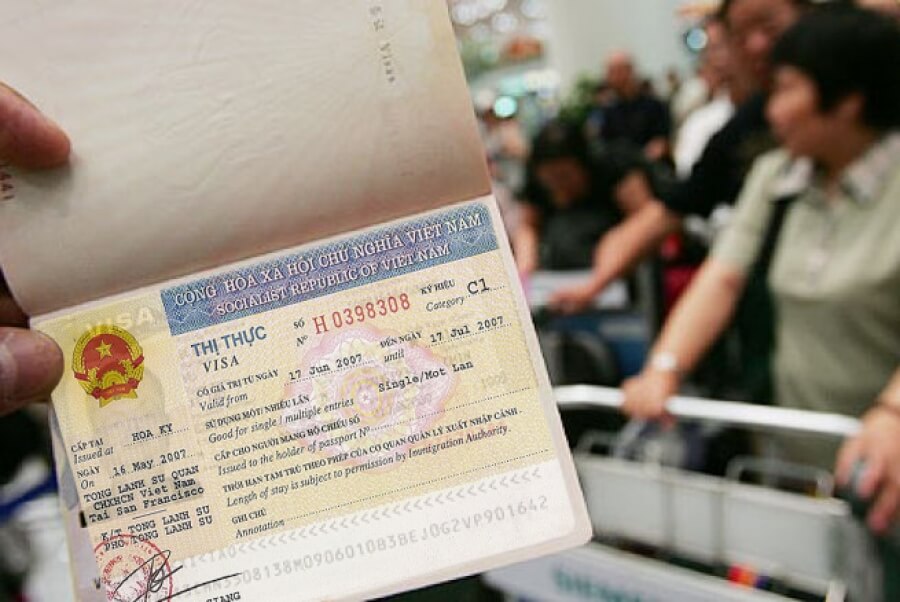
Using the Vietnam E-visa for Indians 2026 is straightforward once you understand the process. This section provides a detailed roadmap to acquire your digital visa, with practical tips and personal insights to ensure a smooth application journey.
To begin, you must first visit the official Vietnam E-visa portal or authorized digital platforms that process visa applications. It’s advisable to avoid dubious third-party websites to prevent scams or extra charges. The process involves filling out an online application form with personal details, travel information, and uploading required documents—like your passport bio page and passport-sized photographs.
After submitting your application, payment is made via secure online methods—credit or debit cards are commonly accepted. Once paid, the system processes your application, and you can track its status in real-time. Typically, approvals are received within three to five business days—though sometimes quicker depending on the processing center. Upon approval, your e-visa is sent via email in PDF format, ready for printing or digital presentation at immigration checkpoints in Vietnam.
When arriving in Vietnam, travelers should carry a printed copy or digital version of the e-visa along with their passport. At the border, presenting these documents expedites the process and minimizes delays. The e-visa grants single-entry or multiple-entry (depending on your choice), with a standard validity period of 30 days for most travelers. Always verify the validity and entry requirements to avoid any inconvenience.
Understanding how to use the Vietnam E-visa for Indians 2026 extends beyond the application process. Travelers should also be aware of how to maximize its benefits. For instance, planning your itinerary within the visa’s validity period, and ensuring all documents are properly stored and accessible during travel. If your plans include multiple visits or extend beyond 30 days, consider options for overstaying or applying for alternative visas in advance.
In personal analysis, this digital process exemplifies how Vietnam’s authorities are embracing newer, more efficient procedures. With the prevalence of mobile apps and online portals becoming routine in travel, the Vietnam E-visa for Indians 2026 aligns perfectly with modern traveler expectations. It reduces physical bureaucracy, accelerates entry procedures, and boosts traveler satisfaction.
Therefore, using the Vietnam E-visa for Indians 2026 is more than just clicking buttons; it’s a strategic touchpoint that enhances your overall travel experience. By preparing your documents beforehand, staying updated on system notifications, and following the official guidelines, you ensure a hassle-free entry into Vietnam’s vibrant landscapes.
Comparing Vietnam E-visa for Indians 2026 with Traditional Visa Systems
As Vietnam modernizes its immigration policies, understanding the critical differences between the Vietnam E-visa for Indians 2026 and traditional visa methods becomes essential for travelers. This comparison highlights various aspects such as convenience, cost, processing time, and overall user experience, helping Indians make well-informed travel decisions.
Traditionally, obtaining a visa for Vietnam involved visiting the embassy or consulate, submitting physical documents, and waiting days or weeks for approval. This process could be stressful, especially amidst tight schedules or last-minute plans. Physical paperwork meant increased chances of delays due to processing errors, postal delays, or bureaucratic procedures. For Indian tourists, especially those living in distant cities, this often translated to significant inconvenience.
In contrast, the Vietnam E-visa for Indians 2026 radically simplifies this process. Now, travelers can apply online from anywhere, whether at home or in transit, without physically visiting an embassy. The digital submission reduces processing times to mere days—often within 72 hours—making your travel planning more flexible and predictable. Moreover, the cost structure for e-visas is generally transparent and often lower than traditional visas, eliminating extra charges associated with courier services or embassy fees.
One notable advantage of the digital system is its real-time tracking and instant updates. Applicants can easily monitor their application status through official portals, reducing the anxiety of uncertainty. Additionally, the security measures involved in online payments and document verification add a layer of protection for Indian travelers, ensuring their personal data remains confidential.
However, some disadvantages of the traditional visa include the need for physical visits, longer processing times, and the complexity of gathering multiple documents. For Indian tourists unfamiliar with bureaucratic procedures or those living in remote areas, applying for a traditional visa could be intimidating. On the other hand, the e-visa’s straightforward online process democratizes access and enhances inclusivity.
From a pragmatic perspective, the choice between a Vietnam E-visa for Indians 2026 and conventional visa procedures depends on travel plans, urgency, and personal preferences. For quick trips, last-minute bookings, or digital-savvy travelers, the e-visa system offers unmatched convenience. For those needing multiple entries or longer stays, analyzing the compatibility of the e-visa with their itinerary is essential.
In conclusion, the digital shift embodied by the Vietnam E-visa for Indians 2026 signifies a major breakthrough in enhancing international travel. Its simplicity, speed, and affordability position it as a preferable option for most Indian travelers. Nonetheless, understanding its limitations and planning accordingly ensures smoother journeys and better overall experiences.
Expert Tips and Advice for Indian Travelers Using Vietnam E-visa for 2026
Embarking on a trip to Vietnam using the Vietnam E-visa for Indians 2026 requires preparation, awareness, and strategic planning. Seasoned travelers and industry experts have shared insightful tips to optimize your journey and avoid common pitfalls associated with digital visas. This section consolidates authoritative advice, backed by practical experience, to help Indian tourists navigate the system confidently.
First and foremost, always use the official Vietnam E-visa portal or authorized agencies to apply for your visa. Malpractices and scams are prevalent, especially when handling sensitive personal information online. By sticking to verified sources, you prevent potential identity theft or extortion. An essential tip is to start your application well in advance—at least two weeks prior to your travel date—to account for any unexpected delays or re-application needs.
Secondly, meticulously double-check all entered details during the application process. Incorrect information, such as spelling errors or passport number mismatches, can lead to rejection or complications during the immigration clearance. Keep a digital or printed copy of your application form and confirmation receipt. These serve as handy references during your travel, especially at border crossings or if questions arise at immigration.
Another crucial aspect is preparing your documents in digital format. Make sure your passport has at least six months’ validity from your planned date of entry into Vietnam and has enough blank pages. Scan your passport bio page and authentic recent photograph, complying with the specified dimensions and quality standards. Having these ready in advance expedites the upload process and minimizes errors.
For a smoother experience upon arrival, familiarize yourself with the immigration procedures for e-visa holders. Understand which documents need to be presented at the border—usually your printed e-visa and passport—and keep them easily accessible in your carry-on luggage. Always carry multiple copies to prevent last-minute hassles. Also, plan your arrival timing to avoid peak hours at immigration points, reducing wait times and stress.
It’s equally important to stay informed about updates to the e-visa policies. Vietnam’s policies might evolve in response to internal or external factors, such as health regulations or diplomatic agreements. Following official travel advisories, signing up for email alerts, and consulting trusted travel forums help you stay current. An informed traveler is a confident traveler, capable of handling unanticipated situations professionally.
Lastly, seek advice from experienced travelers or travel consultants who have already navigated the Vietnam e-visa process. Their insights on choosing the right entry points, recommended accommodations, and local customs can enrich your trip beyond just the visa aspect. An expert’s perspective can also guide you on which alternative visa options to consider if your plans extend beyond the e-visa’s scope or match specific travel needs.
In personal analysis, adopting these expert tips transforms a potentially complex process into a smooth, enriching experience. The key lies in meticulous preparation, ongoing awareness, and proactive communication. By following these guidelines, Indian visitors can maximize their Vacation experience with the Vietnam E-visa for Indians 2026, turning their travel dreams into reality hassle-free.
FAQs about Vietnam E-visa for Indians 2026
How long does it take to process a Vietnam E-visa for Indians in 2026?
Typically, the processing time ranges from three to five business days. However, during peak seasons or due to unforeseen circumstances, it may take slightly longer. Applying well in advance helps ensure timely approval.
Is the Vietnam E-visa for Indians valid for multiple entries?
Most standard e-visas issued to Indians are single-entry visas, suitable for one trip up to 30 days. For multiple visits, travelers can explore other visa options, such as the multiple-entry visa or VOA (Visa on Arrival), but check the latest regulations.
What are the essential documents required for applying for the Vietnam E-visa as an Indian?
Applicants need a valid Indian passport with at least six months’ validity from the date of entry, a recent passport-sized photograph, and the completed online application form. Sometimes, additional supporting documents might be needed based on travel purpose.
Can Indian travelers extend their stay in Vietnam after obtaining an e-visa?
No, standard e-visas generally do not allow extensions. If a longer stay or multiple entries are required, Indian travelers should consider applying for a different visa type or entering Vietnam via other legal channels.
Is the Vietnam E-visa for Indians valid for all entry points?
Most major international airports and land border crossings in Vietnam accept e-visas. However, travelers should verify the specific entry points supported for e-visa holders before traveling to avoid surprises at immigration gates.
Conclusion
The Vietnam E-visa for Indians 2026 represents a transformative shift towards more accessible, efficient, and traveler-friendly visa processing. It embodies Vietnam’s commitment to boosting tourism and strengthening bilateral ties with India in the digital age. For Indian travelers, this modern visa system offers convenience, speed, and reliability—making Vietnam an attractive destination for leisure, business, and cultural exploration. Understanding how to navigate the application process, preparing documents adequately, and staying informed about policy updates ensure a seamless journey. As the digital landscape continues to evolve, adopting best practices and expert advice guarantees an enriching experience once you set foot in Vietnam. Embrace the opportunities facilitated by the Vietnam E-visa for Indians 2026 and let your adventure begin with confidence and clarity.