Vietnam continues to be an increasingly popular destination for travelers, business professionals, and expatriates. As the country develops and modernizes, its entry requirements and visa policies are also evolving to adapt to new international standards and tourism demands. If you’re planning a visit or considering staying long-term in Vietnam in 2026, understanding the entry requirements for Vietnam 2026 and its visa policies is crucial to ensure a smooth and hassle-free experience.
This article explores the latest regulations, visa types, application procedures, and key factors influencing entry into Vietnam in 2026. Keep reading to get detailed insights and practical advice on how to prepare for your trip or stay in Vietnam, aligned with the upcoming policies.
Table of Contents
Overview of Vietnam’s Entry Requirements for 2026
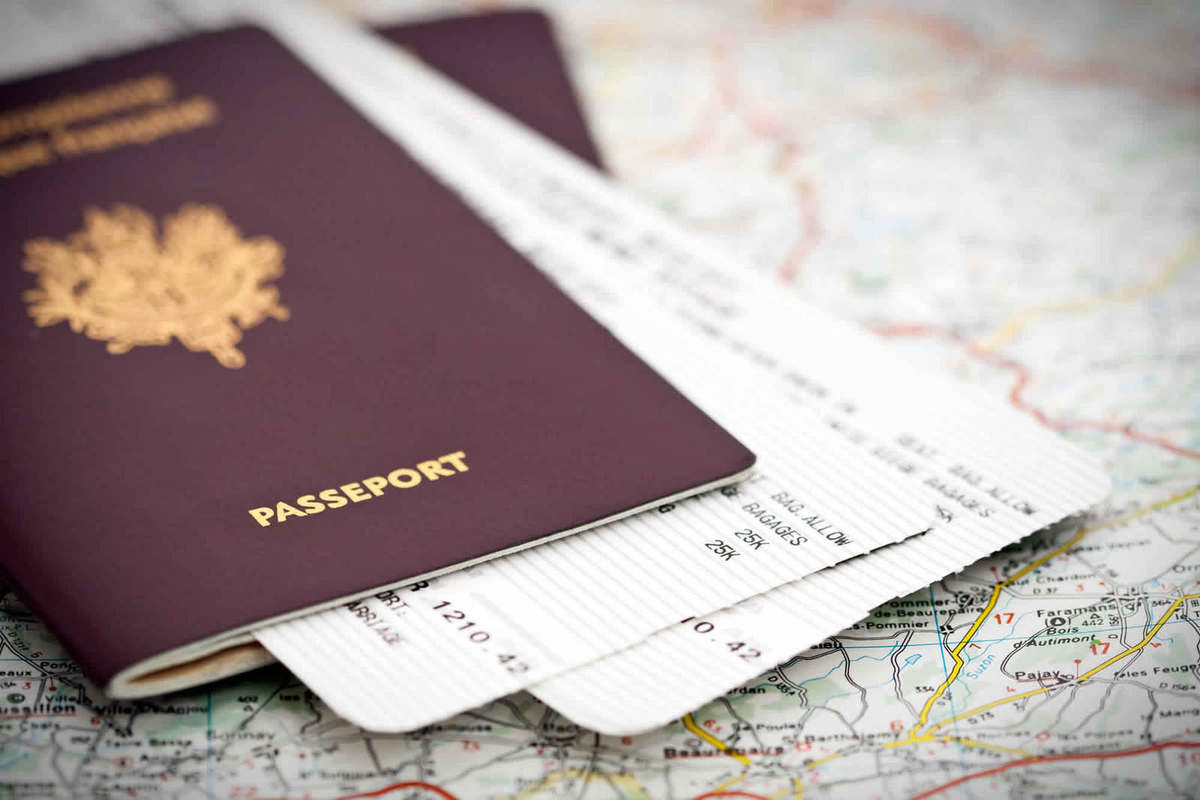
Vietnam’s entry requirements for 2026 are shaped by its ongoing efforts to streamline travel processes, enhance security, and promote tourism. These regulations may influence whether travelers need visas, vaccination certificates, or specific documentation to enter the country. This section provides a comprehensive understanding of what travelers and visitors can expect when planning their trips to Vietnam in the upcoming year.
Visa Policy Changes and Updates for 2026
Vietnam’s visa policies are often revised to support economic growth and tourism. In 2026, policymakers are expected to introduce new or updated visa frameworks, possibly including digital or e-visa systems, visa exemption extensions, or simplified application processes. It is advisable to stay updated through official channels such as the Vietnam Immigration Department or reputable travel advisory sources.
The government aims to facilitate easier entry for tourists while maintaining strict security standards. This could involve expanded visa exemption zones, shorter visa application procedures, or electronic approvals that reduce wait times. Knowing these potential changes helps travelers prepare early and ensure compliance with all requirements.
Entry Documentation and Eligibility Criteria for 2026
To legally enter Vietnam in 2026, travelers generally need a valid passport, appropriate visa or exemption, and possibly additional health or security documentation depending on the traveler’s nationality, purpose of visit, and duration of stay. Common entry documents include:
- A valid passport with at least six months of validity beyond the planned stay.
- Visa or visa exemption approval, depending on nationality.
- Invitation letters for certain visas or business visits.
- Health certificates or vaccination records, especially if pandemic-related measures are in place.
- Financial proof or accommodation bookings, especially for long-term stays.
Eligibility criteria may vary, especially as new policies emerge. It’s essential to verify your nationality’s specific arrangements and any special requirements for entry in 2026.
Vietnamese Visa Policy for 2026
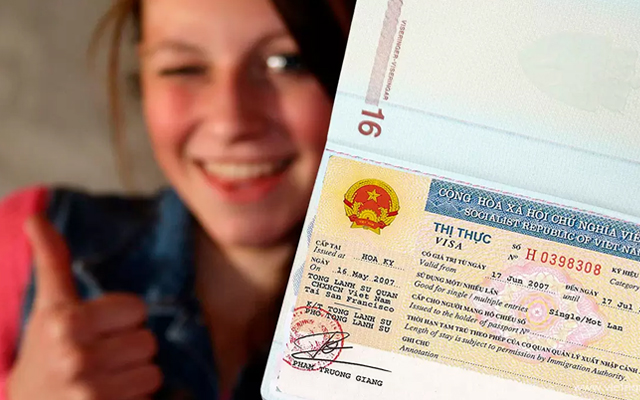
Vietnam’s visa policy in 2026 is expected to evolve to accommodate increasing international travel demand and to streamline entry procedures. This section provides an insight into the types of visas available, eligibility, application processes, and recent or projected updates to the policy.
Types of Visas Expected in 2026
Vietnam offers several types of visas, and in 2026, the country may expand or modify these options to meet diverse traveler needs. Typical visas include:
- Tourist Visa: For leisure travel, often issued for 30 to 90 days. The process may be expedited online or through visa agencies.
- Business Visa: For professionals engaging in business activities, conferences, or meetings. These visas often allow longer stays and multiple entries.
- Work Visa: Required for expatriates or workers intending to work legally in Vietnam. Usually linked to employer sponsorship.
- Student Visa: For academic or language courses, with specific documentation from educational institutions.
- Transit Visa: For travelers passing through Vietnam en route to another destination, permitted for short periods.
In 2026, there may be new or revised categories, such as digital nomad visas, to attract remote workers and long-term expatriates.
Application Procedures and Processing Time
Vietnam’s visa application process in 2026 is likely to become more digitalized, reducing processing times and enhancing user convenience. The general steps may include:
- Submitting an online application on official government portals or through authorized visa agencies.
- Providing necessary documents like passport scans, invitation letters, financial proof, or health certifications.
- Paying applicable visa fees, which vary based on visa type and duration.
- Awaiting processing, which could be accelerated with express service options.
Applicants should ensure all information is accurate and complete to avoid delays. Expect to receive an electronic visa approval (e-visa) or visa approval letter, which must be presented upon arrival or at embassies. Troubleshooting common issues, like rejected applications, usually involves verifying document validity and meeting all criteria.
Recent and Projected Policy Changes
Anticipated policy enhancements for 2026 include the expansion of e-visa programs, which allow travelers to apply entirely online, minimizing embassy visits. Additionally, Vietnam might introduce standardized processing times, simplified renewal procedures, and new incentives, such as visa exemptions for certain nationalities or extended stay options.
It’s also possible that Vietnam will renegotiate visa-free entry agreements with more countries, aligning with its goal of boosting tourism and international cooperation. Staying informed through the official government channels will help travelers plan effectively for these potential changes.
Key Considerations for Travelers to Vietnam in 2026
Being well-prepared for Vietnam’s evolving visa landscape is essential. This section highlights practical tips and considerations for travelers to ensure compliance and a smooth entry process.
Visa Exemptions and Eligibility
Not all travelers require visas to visit Vietnam, especially those from countries with bilateral agreements. In 2026, visa exemption policies are expected to be expanded or modified, making it easier for tourists from specific nations to visit without visas for certain durations, often ranging from 15 to 30 days.
Check official sources or Vietnam consulates to confirm your country’s exemption status as it might be renewed or changed periodically. Travelers should verify the eligibility criteria, such as holding valid travel documents, not exceeding stay limits, and meeting entry conditions.
Health and Safety Requirements
Health protocols, especially in light of global health concerns, may remain a part of entry requirements in 2026. Travelers could be expected to present vaccination certificates, negative COVID-19 tests, or quarantine exemptions depending on the situation at the time of travel.
It is recommended to carry up-to-date health documentation and follow recommended safety measures. Travelers should also check for any vaccine requirements related to other infectious diseases, such as yellow fever or hepatitis, if applicable.
Practical Tips for Visa Applications and Entry
- Always apply for your visa or check exemption status well in advance of your planned travel date to account for processing times.
- Keep digital and physical copies of your passport, visa approval, and supporting documents.
- Stay informed about latest updates from official sources, such as the Vietnam Immigration Department.
- Be prepared for possible biometric or security checks upon entry, following which you should follow all instructions from immigration officers.
By planning ahead, respecting legal requirements, and staying updated, travelers can ensure seamless entry into Vietnam in 2026.
Conclusion
In summary, the entry requirements for Vietnam 2026 and its visa policies are poised for continued modernization and facilitation, making travel easier and more accessible. As Vietnam enhances its online visa application systems, expands visa exemptions, and potentially introduces new categories like digital nomad visas, travelers should stay informed through official channels. Ensuring compliance with documentation, health protocols, and eligibility criteria is essential to avoid delays or complications. Whether you are visiting for tourism, business, or long-term stay, understanding the upcoming policies will help you plan your journey effectively and enjoy all that Vietnam has to offer in the coming years.